Join FEASTS at the NEXT Bite conference in Brussels for a session entitled Barn to Bioreactor: Empowering Farmers with Food Biotech. It will feature insights from the FEASTS project and explore the opportunities and challenges cultured meat and seafood present for primary producers.
We will focus on how cellular agriculture might impact livelihoods, roles, and identities of those at the start of the food supply chain, bringing perspectives and research from the project.
We are looking forward to engaging discussions and an exchange of ideas on building a resilient and inclusive food system
Under the heading Project Results, Prospects and Challenges of Producing Cell Cultures for Human and Animal Consumption, project partner SAFE Food Advocacy Europe is hosting the 2nd Stakeholder Dialogue Workshop. ✅ 9th December 2025✅ 09:30–12:00 The webinar is designed to: *facilitate transparent and inclusive dialogue at the early stages of the development of the cultured meat and seafood sector, * improve […]
The two-day workshop will gather experts from across the world to explore the ethical, legal, and governance implications of cell-based animal-origin foods under the theme Focusing on ethical and regulatory challenges of cell-based animal origin foods from scientific assessment to societal and cultural dimensions. The workshop builds on the work of the University of the […]
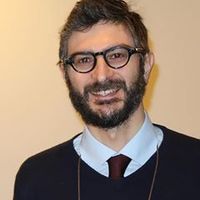
Full-time faculty member at the University of the Basque Country (UPV/EHU) with a Law degree (University of Deusto, 1996), a PhD in Law (UPV/EHU, 2004), and a PhD in Biological Sciences (University of Alicante, 2015), with additional studies in Psychology and Editorial Management. She has taught in seven faculties and eleven degree programs, coordinated courses in Law and Ethics in Biosciences, and leads an EU funded Jean Monnet Module (2023–2026). Her pre- and postdoctoral work was carried out at the Chair in Law and the Human Genome. She has held research stays at leading institutions such as the Max Planck Institutes, the Institute of Federalism (Switzerland), IALS (London), and EURAC (Bolzano). Awarded for both research and outreach, including the Applied Ethics Research Award from the International Society of Bioethics, she has advised bodies such as the Spanish Senate, COSCE, and FECYT. Currently Vice-Dean for Educational Innovation, she combines strong interdisciplinary expertise in Law, Biology, and Psychology with a collaborative, socially committed academic profile.
From questioning to shared understanding through dialogue – the Concentric Ethical Matrix makes ethics a method for responsible transition.
Why It Matters
The CEM-CEBAOF is not a moral checklist but a way of reasoning collectively – it transforms ethical reflection into a transparent and plural process, connecting meaning, evidence and governance across three analytical levels:
Ontological and cultural foundations — how notions such as “meat” or “animal-free” are constructed and legitimised;
Intrinsic evaluation — how safety, comparability and life-cycle evidence are examined;
Systemic–transitional architecture — how justice, governance and diversity are embedded in innovation pathways.
At its core, the CEM-CEBAOF organises 102 interrelated questions that guide ethical deliberation.
Each question is designed to illuminate rather than conclude, turning disagreement into a resource for understanding. Together, these 102 questions form a living instrument —a map of reasoning— that links cultural meaning, scientific evidence and institutional responsibility.
Expected Outcomes for FEASTS
This practical session will generate contributions for FEASTS in three main areas:
Ethical labelling and communication criteria;
Standards for meaningful transparency;
Regulatory and ethical coherence within the European framework.
By testing and refining the CEM-CEBAOF, the Workshop aims to build a shared, verifiable space for ethical reasoning, where disciplinary and cultural diversity becomes a driver of responsible transition in food systems.
Masami Takeuchi
Masami Takeuchi is a Food Safety Officer at the Food and Agriculture Organization of the United Nations (FAO), with a main responsibility to provide food safety scientific advice to countries and to the Codex Alimentarius Commission, an international food standard setting body. Her recent work is around risk assessment of food derived from emerging technologies, such as biotechnology, cell-based food production, gene editing, precision fermentation and modern indoor farming. She also works on emerging and cross-cutting food safety issues including artificial intelligence (AI) for food safety and the use of whole genome sequencing (WGS) for food safety management. She has a field experience working at the regional office for Asia and the Pacific in Bangkok, Thailand for 4 years, thus while she takes up various normative global initiatives on food safety, she also assists countries and regions for their food safety capacity development. She also leads the capacity development initiative to apply a capacity assessment tool for monitoring and analysis of residues of veterinary drugs in foods (FAO RVDF Tool).
FAO. 2023. Cell-based food: its safety and its future role. – Stakeholder round table meeting report, Tel Aviv, Israel, 7 September 2022. Rome. https://doi.org/10.4060/cc6967en
FAO. 2024. Cell-based food and precision fermentation – Products, safety and the future role. Stakeholder round table meeting report, Shanghai, China, 6 November 2023. https://doi.org/10.4060/cd0311en
Framing the Future of Meat: Law, Technology, and the Politics of Cultivated Protein
Cultivated meat is an emerging food category that is framed as the future of meat and the solution to multiple, urgent challenges associated with intensive animal agriculture. Yet, the role of cultivated meat in food systems change is controversial and the risks, benefits and perspectives regarding cultivated meat are highly uncertain and contested. In response, various legal trajectories are developing with implications for how cultivated meat advances and how publics engage with issues at the interface between food systems and emerging technologies. This presentation presents findings from socio-legal analyses of regulatory debates within the US and Australia regarding cultivated meat. It then considers these findings in light of legal developments in cultivated meat across Singapore, the US, Australia and New Zealand and the EU. This analysis shows how debates about cultivated meat grapple with various issues and interpretations about the future of food, the role of technology and the impact of intensive animal agriculture. It also reveals the ways in which existing regulatory responses have individually and collectively avoided dealing with the underlying contestation and comprehensively accounting for the full range of risks and benefits. This presentation concludes with some potential directions for alternative regulatory approaches.
Dr Hope Johnson
Dr Hope Johnson is an Associate Professor with the School of Law at Queensland University of Technology, Brisbane, Australia. Hope is a leading researcher in food and agricultural law and policy with a particular focus on alternative proteins (including cultivated meat) regulation. She uses a mix of qualitative and doctrinal methods to investigate the politics and regulation of food and technology. Hope is currently an Australian Research Council Discovery Research Fellow (ARC DECRA) and her project is entitled ‘Regulating the Future of Protein’. She is also a Chief Investigator with QUT’s Centre for Justice and a member of the Centre for Agriculture and the Bioeconomy.
Assistant Professor in Human Geography, Department of Geography, Durham University, Principal researcher of the BBSRC project Is Cultured Meat a Threat or Opportunity for UK Farmers? (2022–24). Co-founder of Cultivate (Cellular Agriculture UK).
Manning L, Dooley J, Dunsford I, Goodman MK, MacMillan T, Morgans LC, Rose DC, & Sexton AE (2023) Threat or opportunity? An analysis of perceptions of cultured meat in the UK farming sector. Frontiers in Sustainable Food Systems. https://www.frontiersin.org/articles/10.3389/fsufs.2023.1277511/full
Sexton AE & Goodman MK (2022) Chapter 8: Of fake meat and an anxious Anthropocene: Towards a cultural political economy of alternative proteins and their implications for future food systems, in Sage C (ed.) A Research Agenda for Food Systems, Edward Elgar Publishing, 175-197.
Kate is the Director of the Centre for Applied Bioethics. University of Notthingham. Her expertise in the ethics of emerging science and technology, as well as responsible research and innovation policies, provides a valuable balancing perspective to the Future Food leadership team. Kate’s research interests fall under four main areas:
Biotechnology Assessment Bioethical Analysis Animal, Agricultural and Food Ethics and Public and Stakeholder Engagement.
She is currently applying those interests in projects spanning ethical issues in public engagement with science, animal infectious diseases, sustainable bioenergy, clinical use of animal blood and tissue, and technology assessment policies.
Bart Wernaart (Fontys University of Applied Sciences,Netherlands)
Dr. Bart Wernaart is profesor of Moral Design Strategy (since 2021) and Leading Lector COE Sustainable and Circular Transitions (since 2023) at Fontys University of Applied Sciences. He earned his Master’s degree at Tilburg University (2005) and his PhD degree at Waganingen University (2013). During his Phd research, he specialized in the enforceability of human rights in the context of developed countries. Since then, he frequently publishes in the international arena about legal and ethical aspects of international business. Since 2019, he is the main researcher for the Moral Lab, focusing on moral programming challenges. In 2022, he won the first Melanie Petersprijs, issued by the Rathenau Institute for his work on the Moral Data City Hunt method: an applied method to map the moral gut feeling of citizens when discussing new technologies.
Next to his academic career, Bart is a professional musician. In this capacity, he conducts several orchestra’s and choirs, and composes music. He is specialized in playing the vibraphone and drums.
This talk will situate CM/CSF within the context of US food ethics debates. It will begin with a mapping of the US food issue landscape in order to draw out its complexity. It will then highlight how M/CSF fits within the issue landscape in complex and, in some cases, surprising ways. From one perspective, this could be understood as providing CM/CSF with significant ethical opportunities i.e. pathways for development that could advance food ethics goals. However, from another perspective, it suggests that CM/CSF is likely to face significant ethical headwinds i.e. limitations on how ethically accepted it will be. The aim is not to provide an assessment of CM/CSF, but to indicate the types of issues that it raises and the sort of debates that it is likely to become bound up with in the US context.
Prof. Ronald Sandler
Prof. Ronald Sandler is a professor of philosophy and Director of the Ethics Institute at Northeastern University. His areas of research are environmental ethics, ethics of emerging technologies, and ethical theory. He has done extensive work, often as part of interdisciplinary and practitioner collaborations, conducting ethics and value analyses of biotechnology applications in agricultural and conservation contexts. He is author of Character and Environment (Columbia); The Ethics of Species (Cambridge); Environmental Ethics: Theory in Practice (Oxford); and Food Ethics (Routledge). He is editor or co-editor of Environmental Virtue Ethics (Rowman and Littlefield); Environmental Justice and Environmentalism (MIT); and Ethics and Emerging Technologies (Palgrave). Sandler’s research has been supported by the US National Science Foundation, National Endowment for the Humanities, and Woodrow Wilson Center, among others.
The Politics of Culturing Meat in the Plantationocene: Remaking Ideological Landscapes and Global Metabolisms
New technologies can be seen not merely as threats to existing ways of life, but also to reveal implicit ideologies of contemporary forms of production and consumption. Over the past two decades, in vitro/ cultured meat has emerged in a range of different forms – from products such as hamburgers or sausages, to research efforts such as generating alternatives to FBS, to artistic performances. Each iteration projects particular modes of organizing production, promoting particular regional and global metabolic relations of flows of substances, and imagining certain types of consumers and food cultures. And each is set against (other) alternatives as well as presumptions about the status quo, which appears in particular ways depending on geographic context and cultural imaginations of what makes meat. Starting from the inherent ambiguity of meat, in this talk Dr Clemens Driessen will hint at possible ways in which the ‘Plantationocene’ as a way of defining our planetary predicament (contrasted with other proposals such as Anthropocene and Capitalocene) could offer more comprehensive ways to critically engage with global flows of feed, meat, meaning and technoscientific knowledge, as these are assembled locally as part of novel meat futures.
Dr Clemens Driessen
Dr Clemens Driessen is a cultural geographer at Wageningen University who is interested in animals, agriculture, food and nature. He started out studying ethical questions in ways that presume universal answers and abstract conceptual clarity – but found himself turning into a geographer: ethics happens in places, and emerges from material, embodied and affective relations across space, which can be creatively engaged with through design. Besides studying farmers, conservationists, cows, pigs and robots in the places in which these encounter each other, he has done archival research on backbreeding and rewilding, and consumer/citizen research on cultured meat. He often collaborates with designers and artists, such as to develop video games for bored pigs on intensive farms to play with their prospective consumers, and in a recent overview of art, science, design and engineering around water: ‘Waal & Driessen eds. (2025) Water Works; Ecosocial Design. Valiz publishers, Amsterdam.
Reasons for Hope: the Brazilian Alternative Protein Ecosystem
Brazil is the most biodiverse country in the world and is a major food producing country. Is such combination a reason to worry? Yes, but perhaps such incompatibility may be attenuated. Maybe food production can become less damaging to the environment and to animals. The launching of the first cell-based burger, led by professor Mark Post and his collaborators in 2013, is a key moment for cellular agriculture worldwide. Well before that, many brands of plant-based meat were available at the supermarkets. Taken together, the so-called new protein production systems offer a variety of options for the supply of the ever increasing global demand for meat. In Brazil, while the plant-based industry is more established, research and development in innovative fermentation systems as well as cell culture for food production are only beginning to flourish. As expected with disruptive innovations, many challenges present themselves, especially in the initial phases. Some strength to face the challenges in the country comes from the appearance of startups, the engagement of Universities and traditional research institutions, the investments of major food companies as well as public ones, and the foundation of the Brazilian Association of Cellular Agriculture – Cell Ag Brazil. Thus, there are reasons for hope, as innovation may rescue sustainability and animal ethics in food production. Together with the hope, there is a sense of urgency, as we see the devastating effects of climatic changes and the dreadful number of animals killed per second for food, among other dramatic effects of intensive animal production.
Dr Carla Forte Maiolino Molento
Dr Carla Forte Maiolino Molento holds a degree in Veterinary Medicine from the Federal University of Paraná (1990), an MSc in Veterinary Sciences from the Federal University of Paraná (1995), a PhD in Animal Science from McGill University, Canada (2001), and a postdoctoral fellowship in Animal Welfare from the ILVO Institute, Belgium (2011). She is currently a full professor at the Federal University of Paraná, coordinator of the Animal Welfare Laboratory (LABEA/UFPR), and coordinator of the Cellular Animal Science Laboratory (Zoocel/UFPR). She teaches the courses on Ethology, Animal Welfare, and Cellular Animal Science for students in Veterinary Medicine and Animal Science. She supervises undergraduate, master’s, doctoral, and postdoctoral research in Animal Welfare and Cellular Animal Science within the Graduate Program in Veterinary Sciences at UFPR. She is a Productivity Fellow in Research at CNPq. She has experience in teaching, diagnosing, and improving the welfare of animals used for production, companionship, and laboratory purposes. More recently, she has been focusing on research and teaching in Cellular Animal Science, involving alternative methods to the use of animals for food production. She was a visiting researcher at Wageningen University and Research in 2024. She coordinates the New Research and Innovation Arrangement in Alternative Proteins, funded by the Araucaria Foundation, and currently is the president of the Brazilian Association for Cellular Agriculture Cell Ag Brazil.
Why Societal Ambivalence Needs to Be More Visible. With Special Focus on Social Contexts
The mere idea of cultured meat triggers much ambivalence, including mixed feelings about traditional meat that tend to remain implicit in daily life. Ambivalence leads to uncomfortable feelings, especially when you need to make decisions, and it is always tempting to flee the discomfort instead of staying with it. Stranger perhaps is that ambivalence has also suffered from neglect and unfavourable views in psychology and philosophy, including consumer studies, where the assumption of a unilinear arrangement of preferences does much to hide ambivalence from sight. And yet our preferences inevitably come with tensions, especially in times of change.
We are social animals and change happens in social contexts. Vegans, or animal farmers who develop moral concerns about what they are doing, are often reluctant to voice their moral worries about animals. Such concerns then remain hidden not because of denial but because of fear and social uncertainty. In focusing on ambivalence in social life, I will therefore also refer to fear, uncertainty and specific forms of ignorance.
One reason that such tensions and mixed feelings deserve more attention is that they are helpful for finding joint ground and novel solutions, as the example of ‘the pig in the backyard’ illustrates.
Cor van der Weele
Cor van der Weele is emeritus professor of humanistic philosophy at the University of Wageningen, the Netherlands. After graduating in biology (genetics) and philosophy, she did her PhD in the philosophy of biology (1995), focusing on epigenetic / interactive mechanisms in order to overcome the narrow attention on genes in explanations of embryological development. Since then, selective attention in many forms has remained a main focus in her work. She comes from an arable farm where in former times peas were grown. In the 1970s, following Frances Moore Lappé, she believed that peas, beans, lentils and other pulses were going to replace meat. which then did not happen, and around 2007 she became interested in cultured meat as something that might finally help. In studying how people responded to this new idea, it became clear that the idea of cultured meat also triggered tensions about ‘normal’ meat. Strategic ignorance and ambivalence emerged as important themes. She is now co-owner of the family farm, where growing pulses (fava beans) has been revived. Putting her hopes in both pulses and cellular agriculture, she has been arguing for overcoming the dualism between wizards and prophets, see e.g. her farewell lecture ‘Either-or-and’ : https://research.wur.nl/en/publications/eitherorand-from-dualism-to-ambivalence
The Promised Land? Exploring the Future Visions and Narrative Silences of Cellular Agriculture
Cultivated proteins aim to decouple animal protein production from animal bodies so as to address a suite of ethical, environmental, social and health implications connected to animal agriculture. As a period of significant hype comes to a abrupt end, this presentation reflects on the evolution of narratives around cultivated proteins. In doing so, I wish to explore three dimensions. Firstly, the explicit vision proponents of the technology have articulated, it’s promises and inherent tensions. Secondly, the slowly evolving counter narratives that emphasized the environmental, rural and spatial implications of the technologies, and sought to mobilise resistance around these concerns. Thirdly, an area of significant narrative silence, the role of a particular model of venture capital finance that are driven significant discursive and technological trajectories, and which has been under-assessed as a factor driving this sector. In conclusion, Dr Richard Halliwel reflects on the consequences of cultivated proteins for grappling with socio-technological projects, promises and future expectations in the current moment.
Dr Richard Halliwell
Dr Richard Halliwell’s research covers themes at the boundary between agriculture, land use, science and political questions. These topics include the social and ethical dimensions of gene editing, antimicrobial resistance in livestock farming, cultivated meat and milk proteins, and the development of the bioeconomy. Since joining Ruralis in 2020, he has been involved in a number of projects, including Protein 2.0 and Arrival focused on the development and implications of cultured proteins. SYNAGRI which examines the processes through which bioeconomic developments are integrated into regional food systems, and MatMakt, which focuses on the role of power dynamics in shaping sustainability transitions within the food system.
Prof. Andrea Borghini is Associate Professor of Philosophy at the University of Milan and Director of Culinary Mind. His research develops conceptual tools to transform food systems toward sustainability, justice, and inclusivity, combining philosophy with insights from the natural and social sciences. He is editor of the Routledge Studies in the Philosophy of Food series. His recent books include Gastrospaces: A Philosophy Study of Where We Eat (Routledge, 2025), Food, Philosophy, and Intellectual Property (Routledge, 2024), and Scienza S.P.A. (Mondadori, 2024). Earlier works cover metaphysics, philosophy of science, and philosophy of biology. Borghini’s articles, published in leading journals such as Nature Food and Ethical Theory and Moral Practice, explore topics like food ontology, climate change, and cultural heritage. He previously taught at the College of the Holy Cross (USA) and held visiting positions at Columbia University, Institut Jean-Nicod, and other institutions. He earned his Ph.D. from Columbia University and his Laurea from the University of Florence.
Defending Technological Solutions: Responding to Arguments Against Cell Cultured Meat
Cultured meat has great potential to be part of solution strategies related to several of the planets most significant problems. Nevertheless, there are those who argue that we ought not to pursue the technology. In this talk, I will address the moral and cultural objections raised against cultured meat. I’ll discuss the aesthetic and epistemic challenges to acceptance of its implementation. I will argue that producing meat in this way changes the moral landscape of a cluster of important debates and I’ll conclude that cultured meat constitutes significant moral progress.
Dr Rachel Robison-Greene
Dr Rachel Robison-Greene earned her PhD from the University of Massachusetts, Amherst in 2017. Her research interests are largely in meta-ethics, epistemology, and applied ethics, especially as it pertains to animals, the environment, and technology. She is the author of the book Edibility and in Vitro Meat: Ethical Considerations and the co-author of the book Conspiracy Theories in the Time of Coronavirus. Rachel serves as the Secretary of the Culture and Animals Foundation and is the Chair Elect of the Intercollegiate Ethics Bowl.
Prof. Giancarlo Anello
Prof. Giancarlo Anello studied law in Palermo, Rome, and Arabic in Damascus, Nizwa, Tunis, and Amman. He is currently Full Professor of Law and Religion at the Department of Law, Political and International Studies at the University of Parma-Italy; and a lawyer. He earned a law degree from the University of Palermo and a PhD in Law from the University of Roma “la Sapienza”. He has published books and articles on law and religion and human rights topics and his current research includes Intercultural Legal Subjectivity, Religions, Languages and the Public Legal Sphere. Moreover, Giancarlo Anello is a Kaiciid Dialogue Center (Wien/Lisbon) Fellow for 2021. Since 2024 he is Delegate of the Rector for the International Relations with the Middle East and a Member of the Scientific Council of CAM (Campus Arabo Mediterraneo). He is also a member of the board “Islam” in the Doctoral School of Religious Studies (DREST).
What Does It Mean to Shape Responsible Innovation in Cellular Agriculture? Ethical-Political Challenges in Governing Food Futures
Cellular agriculture is emerging as a “solution” to the ethical and environmental problems of industrial food systems, relying on anticipatory practices—promises, roadmaps, and imaginaries—that actively shape desirable and undesirable food futures. Alongside these, normative approaches aim to make science and innovation responsible from early stages, addressing the Collingridge dilemma, preventing lock-in, and aligning innovation with societal values. Anticipation – the use of future representations in the present—is thus seen as essential for responsible innovation. This talk explores how to shape responsibility within this anticipatory domain, arguing that it requires rethinking how anticipation is conceptualized and practiced. It proposes to (1) situate calls for responsibility within a landscape “pregnant with futures” that shape what is deemed (un)desirable or (im)plausible, and (2) assess, within this landscape, the reflective capacity of anticipatory practices guiding innovation. To do so, it outlines four analytical dimensions—temporality, inclusivity, scope of reflection, and relation to practice—to evaluate whether these practices open or constrain spaces for learning and critique. The key question is not just whether anticipation should guide governance, but what kinds of anticipation should be fostered: those reproducing the status quo or those critically interrogating who makes futures, how, and with what implications.
Dr Sergio Urueña
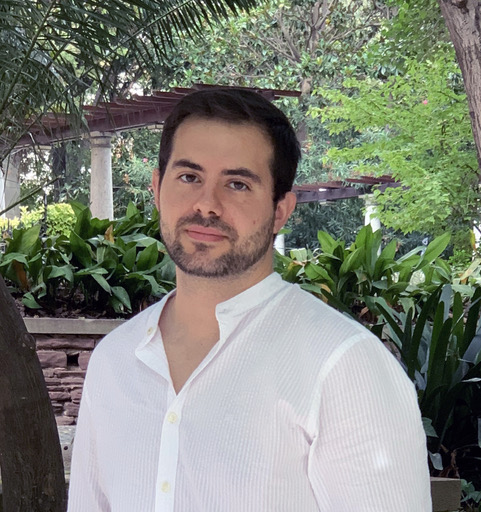
Dr Sergio Urueña is a Postdoctoral Research Fellow of the Basque Government at the University of the Basque Country UPV/EHU. He holds a PhD in Philosophy, Science and Values awarded with the Extraordinary Doctoral Prize and the International Mention, and a Master’s degree in Logic and Philosophy of Science awarded with the extraordinary Doctoral Prize – both from the University of Salamanca, where he also completed his BA in Philosophy. His research sits at the crossroads of political philosophy of technology, anticipation and futures studies, and science and technology studies. He is interested in how we think about and use the future — through foresight, scenarios, imaginaries, and other anticipatory practices— to shape the governance of science, technology, and innovation toward more socially responsible directions. His work seeks to understand how “futures” are co-produced and mobilized, and how they could be used to make scientific and technological development more reflective, inclusive, and democratic. Sergio has been Visiting Guest Researcher at the University of Twente in the Netherlands and at the Centre for Technology and Society of the Norwegian University of Science and Technology, NTNU. He has authored more than 35 academic publications, including articles in leading international journals such as Social Studies of Science, Futures, Journal of Responsible Innovation, NanoEthics, and Recerca. He is also the editor of one collective volume published by Biblioteca Nueva and the author of multiple book chapters with publishers including Springer, Wiley-Blackwell, and Tecnos. He currently serves on the editorial boards of the Journal of Responsible Technology and Tecnoscienza: Italian Journal of Science & Technology Studies.
We argue for the existence of a moral dilemma – the ‘Puzzle of Lab-Grown Meat’– which challenges those who would endorse the moral permissibility of eating lab-grown meat, such as lab-grown chicken. The puzzle is that it is unclear why the moral permissibility of eating lab-grown meat should not extend to all lab grown meat, such as white rhino or human, yet intuitively, we consider such meat morally impermissible to consume. To reject this challenge forces an endorsement of one of two implausibly strong positions: either that all lab-grown meat is morally impermissible to eat or that all lab-grown meat is morally permissible to eat. To accept this challenge, is to attempt to solve the puzzle by providing a morally relevant distinction between ‘fair-game’ and ‘off-limits’ lab-grown meat. We present findings from X-Phi research that have investigated moral attitudes towards the puzzle of lab-grown meat in the US.
Dr John Goris
Dr Goris completed his PhD on “Animal Labour and Alienation under Capitalism” where he applied Marx’s normative concepts and political economy to an analysis of animal work. Since then, his research interests have broadened to include moral identity, bioethical issues in animal research and normative issues raised by lab-grown meat.
Key publication: Montefiore, T., & Goris, J. (2025). The Puzzle of Lab-Grown Meat. Food Ethics, 10(1), 1.
The Ethics of Food Labeling, with Application to Cultured Meat
Ethical standards for food labels arise at the intersection of morality, law and politics. Regulations create a framework in which some product claims are required, some are proscribed, some are permitted and still others must be consistent with regulated language. Each of these legal categories comes with its own rationale in social ethics. Further ethical considerations operate within the constraints created by this framework of regulatory rights and responsibilities. Here, classic utilitarian justifications contend with rights-based considerations, creating a tension that spawned debate over labeling of GMOs. Labels for cultured meat, milk and eggs will be developed within an ethical framework in which it will be impossible to satisfy the ethically-based desires of everyone.
Prof. Paul B. Thompson
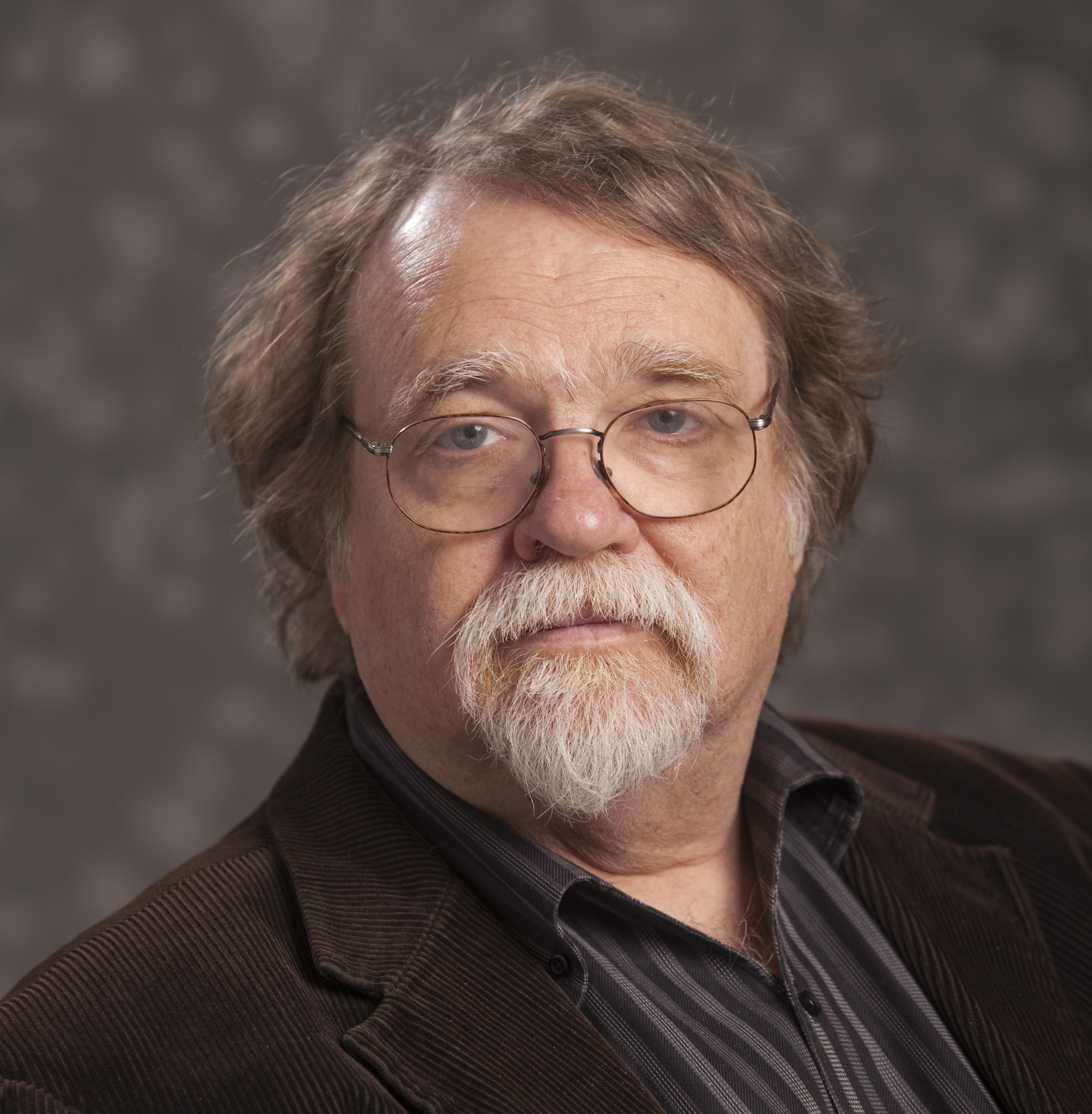
Prof. Paul B. Thompson, Professor Emeritus, Departments of Philosophy and of Community Sustainability, Michigan State University. In 1980 he received his Ph.D. in philosophy from Stony Brook University,where he completed a dissertation in the philosophy of technology under the supervision of Don Ihde. He held joint positions between departments of philosophy and the college of agriculture at Texas A&M University and Purdue University before assuming the W.K. Kellogg Chair in Agricultural, Food and Community Ethics at Michigan State University in 2003. He has lectured on the ethics and philosophy of agriculture in over thirty nations and has received numerous forms of recognition, including career research awards from the Agriculture, Food and Human Values Society, the European Society for Agriculture and Food Ethics and “Book of the Year for 2025,” given for From Field to Fork: Food Ethics for Everyone by the North American Society for Social Philosophy. His most recent book is What Is Agriculture For? Archetypes for Future Food System, published in 2025 by Oxford University Press.
Narratives and the Consequent Sociotechnical Imaginaries of Cultured Meat and Seafood in Japan
Characterized by high import dependence and limited natural resources, food security remains one of the key priorities for the Japanese government. Consequently, there has been an increase in support and promotion of agri-food tech innovation in Japan, including cellular agriculture, with several companies, along with academic actors and civil society organizations, working in the development of cultured meat and seafood (CM/CSF). This study draws on the sociotechnical imaginaries literature to explore how CM/CSF are envisioned and materialized by advocates within Japan and what this implies for the country’s food future. Building on existing literature analysing the promissory discourse of alternative proteins (APs), the study first investigates the rhetorical strategies implemented by key stakeholders through media analysis and semi-structured interviews. The findings identify key promissory narratives that offer insights into how proponents materialize CM/CSF as good foods, and examine the differences in the framings from those in the European and American literatura. By exploring the development of cellular agriculture and its promissory landscape, the study then maps out four broader imaginaries of APs, including CM/CSF. The sociotechnical imaginaries provide insight into the future of food envisioned by AP players, unveiling the influence of the countryʼs political culture. This study seeks to contribute to the growing literature of the Science and Technology Studies Food and Agriculture Network (STSFAN) by examining the rise of technology in agri-food systems and attempting to foster responsible innovation.
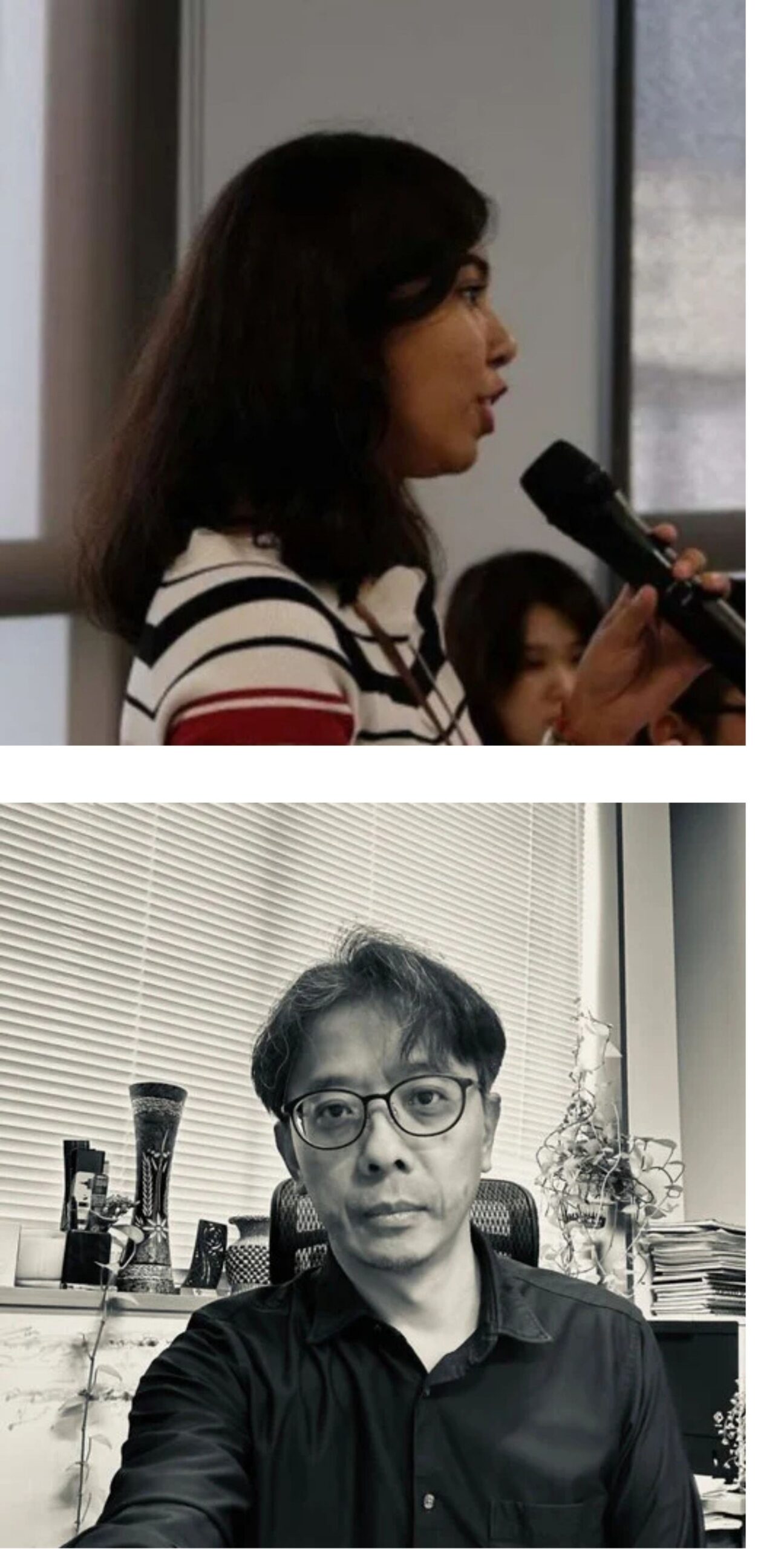
Sakshi Gupta and Prof. Shuji Hisano
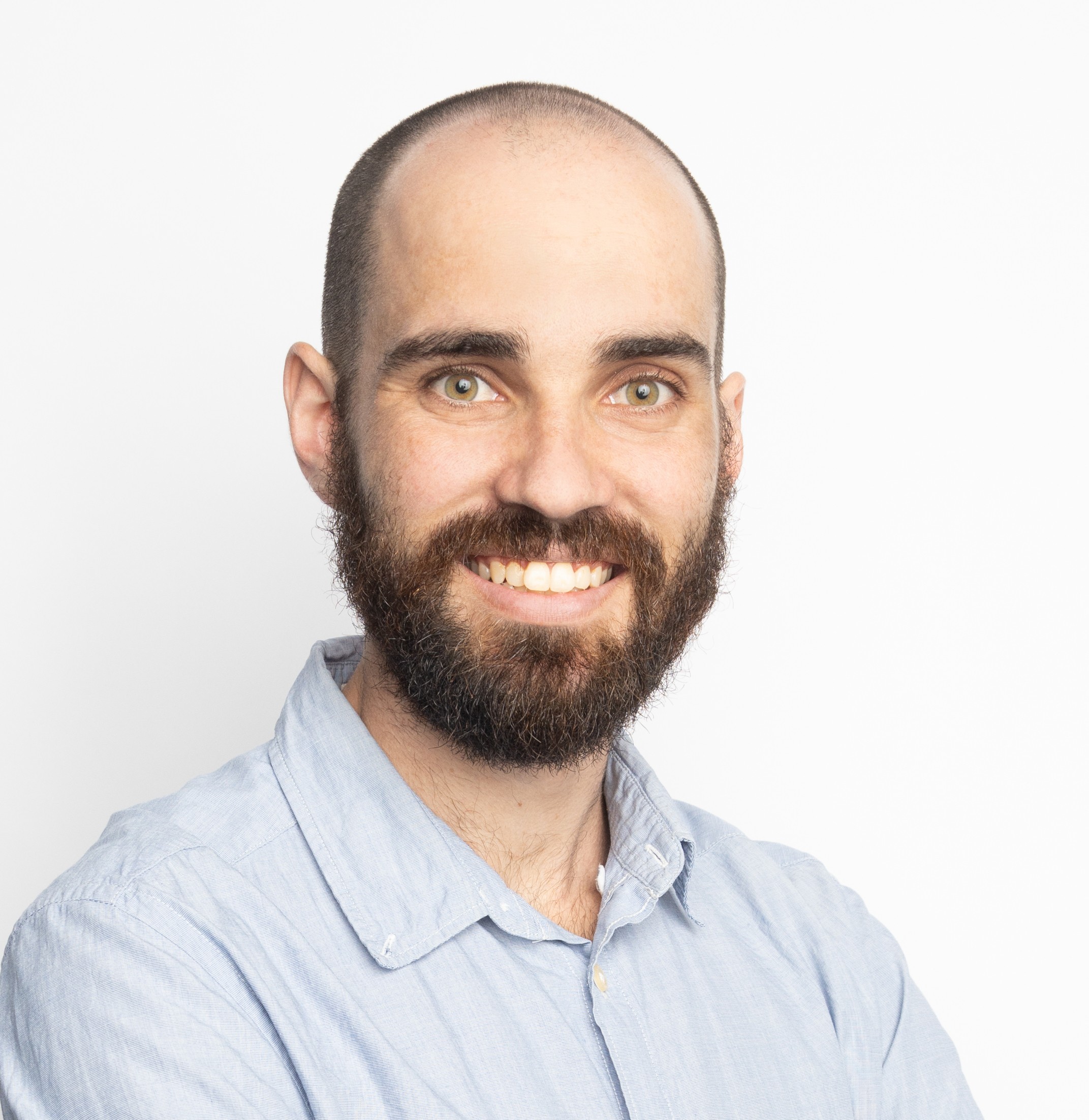
Sakshi Gupta is a doctoral student at the Graduate School of Economics, Kyoto University. Her research lies at the intersection of science and technology studies and critical agri-food studies, focusing on the socio-political implications of precision agriculture technologies on Indiaʼs peasant agriculture. She previously earned her Masterʼs Degree in the same program at Kyoto University, where she examined the narratives and sociotechnical imaginaries of Alternative Proteins in Japan. At this workshop, she presents a part of her masterʼs thesis research.
gfhdgf
sgaghha
sggvdag
ghfgfjdk
sggvdag
sggvdag
Prof. Shuji Hisano is a professor of international political economy of agriculture in the Graduate School of Economics at Kyoto University. He received a masterʼs degree in economic policy (1993) at Kyoto University and a doctoral degree in agricultural economics (2001) at Hokkaido University. He did his visiting research at Wageningen University (2002‒2004) and VU University Amsterdam (2012). His research interests include global governance of food security, industrialisation of agricultural (bio)technology, social responsibility and regulation of transnational agribusiness corporations, international comparative study of agrarian and rural development, and local governance of urban food policy. He has served as the Director of the Asian Platform for Global Sustainability & Transcultural Studies at Kyoto University.
Japan
JACA helps solve challenges of food security and sustainability by conducting research, and establishing and executing strategies which prepare Japan for the advent of cellular agriculture. JACA also contributes to international debate on these topics.
NaTurtle is a technology based alternative protein company helping food companies’ meat success at scale. With its solutions NaTurtle brings just (and) nutritious products on the menu.
Spain
The National Centre for Food Technology and Safety is a private non-profit association contributing towards improving the competitiveness and quality of the food sector through knowledge capture and the transfer of technology.
Rugenwalder Muhle is a family-owned producer of sausages made from both traditional and plant-based meat. It brings tasty innovations to the market with new products and packaging ideas and continues to grow in the area of meat alternatives.
Shakeup Factory is a food and ag-tech accelerator and open innovation platform accelerating the development of the future of food champions. The creator of a unique ecosystem of 350+ startups, corporates, investors and organizations providing support to international startups and forward-thinking corporations.
EIT Food is the world’s largest and most dynamic food innovation community, investing in projects, organisations and individuals that share the goals for a healthy and sustainable food system.
The Institut Proteus is a French NGO assisting in the transition to a more sustainable food model by developing alternative proteins in order to mitigate the environmental impact of the current food system, reduce the risk of zoonotic diseases, and feed more people with fewer resources.
CellAg Deutschland is the contact point on the topic of cellular agriculture for consumers, science, politics, business and NGOs in German-speaking Europe. It is working for the full potential of cellular agriculture to be exploited for the benefit of people, the environment and animals.
CellAgri Portugal is a multidisciplinary team from academia and industry promoting cellular agriculture and creating collaborative networks with the aim of diversifying food production to improve the health of people, animals, and the environment.
Cellular Agriculture Greece is a nonprofit organization focused on expanding cellular agriculture research and education opportunities in Greece and around the world, advancing alternative protein research and innovation across multiple disciplines.
Agricultura Cellulare Italia accelerates progress in the cell-cultured sector by promoting dialogue, interaction and synergy among stakeholders in order to secure a prominent place on the international stage for Italy and Europe.
SAFE is the only Brussels-based NGO specializing in the protection and representation of consumers in the food sector, playing a vital role in monitoring EU food legislation, collaborating with stakeholders to draft robust regulations, and advocating for safer food standards.
Innovethic is a consultancy exploring how scientific results can be translated into trustworthy innovations, acting as research partners for Responsible Innovation and Trustworthy AI.
The UPV/EHU is a public research university rooted in Basque society, open to the world, with intellectual leadership and ethical and social commitment, producing theoretical knowledge with a view to improve people´s lives.
The Center for Environmental and Climate Science at Lunds University conducts research into society’s impact on the natural environment and into societal challenges, seeking solutions concerning the environment, climate and sustainable development.
The Department of Agricultural and Food Science at Università di Bologna promotes innovation in answer to current societal challenges in the framework of SDGs, focusing on multiple research areas including agricultural and food processing and biotechnologies.
The Collaborating Centre on Sustainable Consumption and Production (CSCP) is a Think and Do tank that works with businesses, policy makers, partner organisations, and civil society towards a good life.
The Department of Food Science at Aarhus University conducts research across the entire food system with focus on sustainability and health-promoting properties of foods and food ingredients.
RESPECTfarms is the world’s first cultivated meat farm, helping farmers and ranchers diversify their businesses to include cultivated meat. It works to bridge the gap between scientists and farmers that raise the top-quality animals which need to be sampled to make cultivated meat.
Ecoinnovazione srl is a research spin-off of ENEA. It uses its engineering, environmental science, economics and management competencies to tackle the complexity of sustainability and environmental assessments in agriculture, industry, and services.
EurA is an international consulting company specialised in innovation and technology, supporting companies, research institutions and public clients in generating ideas for innovations, developing new products and services, and launching them internationally.
GOURMEY is France’s pioneering cultivated meat company. Its flagship cultivated foie gras honours French culinary traditions and heritage while looking to the future and protecting the planet.
Cultimate creates cultivated fat technology to provide alternative meats with authentic taste and texture. It’s currently working on the ingredient, which will elevate the taste and flavour of plant-based meats to rival their traditional counterparts.
VITAL MEAT is a cultured meat start-up with the mission to reduce human environmental impact by providing healthy, delicious, ethical and sustainable meat. Thanks to scalable technology and a cost-effective process, VITAL MEAT is gearing up to commercialize its first chicken product.
acib GMBH is an international research centre in the field of industrial biotechnology developing sustainable, economically and technologically advanced processes for biotech, pharmaceutical and chemical industries.
The Institute of Biomedical Sciences at the University of Maribor actively brings together clinical and preclinical expertise from the fields of (bio)medicine, cell and molecular biology, (patho)physiology, pharmaceutics, as well as materials science and additive technologies to develop new therapeutic, diagnostic and other technologies and push the boundaries of research.
Cellular Agriculture at the TUM School of Life Sciences focuses on developing biotechnological processes and concepts for the alternative production of agricultural products, addressing challenges related to environmental impact, animal welfare and sustainability of conventional livestock farming for meat production.
S2AQUAcoLAB is a Portuguese non-governmental, non-profit collaborative laboratory dedicated to fostering innovation in aquaculture and bridging the gap between industry and academia.
The Faculty of Biosciences and Aquaculture of Nord University works on expanding knowledge and forming the basis for a sustainable aquaculture and agricultural industry, and better management of the marine environment.
The Fraunhofer Institute for Molecular Biology and Applied Ecology conducts applied life sciences research with the goal of development and application of new technologies for the diagnosis and therapy of human and animal diseases as well as for the protection of crops and food.
Bruno Cell is the first Italian start up focused entirely on cultured meat, financing and managing research projects to acquire know-how and patent optimized proliferation processes.
International Iberian Nanotechnology Laboratory is an international intergovernmental research organisation performing cutting-edge research and development in nanotechnology, and an innovation integrator in multiple application domains.
New Harvest is a nonprofit research institute supporting open, public research into cultured meat and precision fermentation. Founded in 2004, it is the world’s longest-running organization dedicated to advancing the field of cellular agriculture.
Associação do Instituto Superior Técnico para a Investigação e Desenvolvimento is a private not-for-profit institution, active in the fields of science and technology, fostering knowledge transfer and promoting cooperation among national and foreign researchers in RD&I projects.